
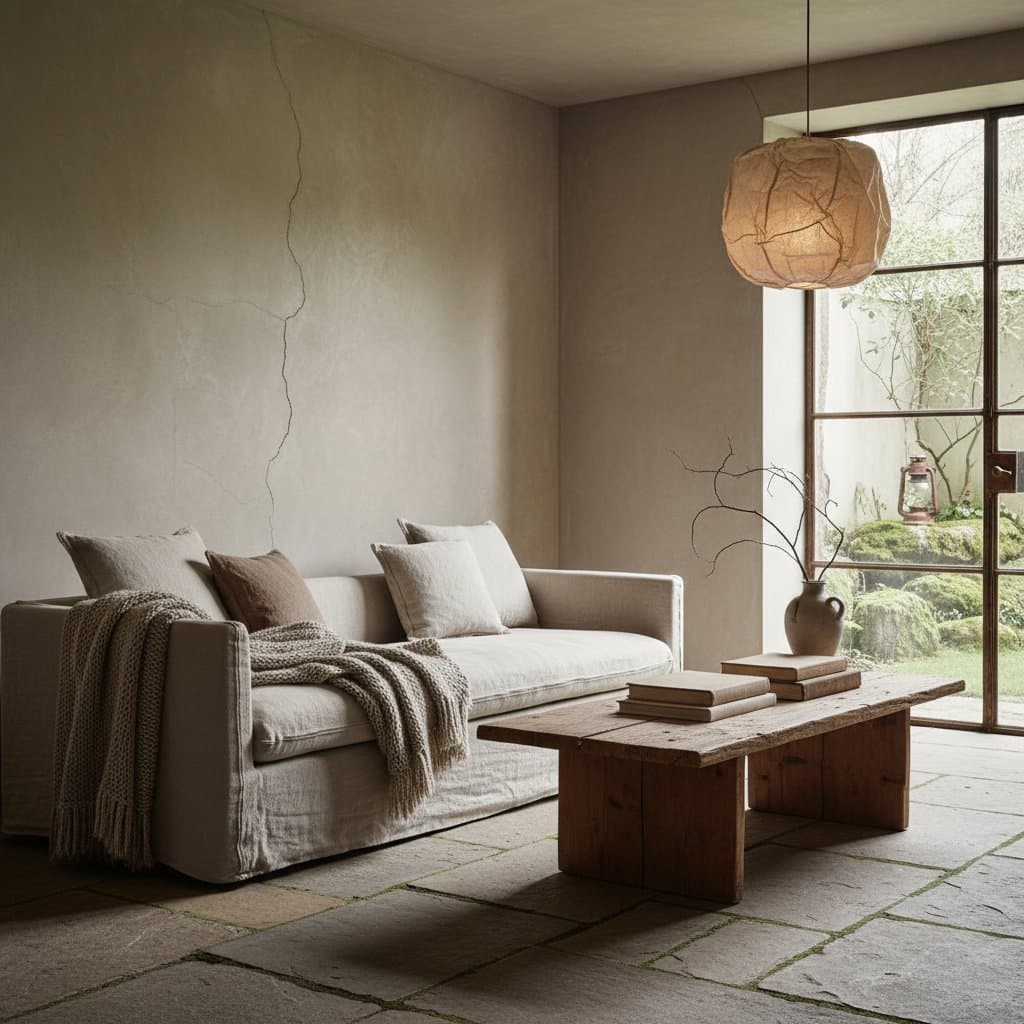
Wabi-Sabi Design: Finding Beauty in Imperfect Spaces
Consider the subtle chip along the edge of a wooden coffee table or the faint cracks in an aged plaster wall. These details, often overlooked, hold potential for comfort and character. Wabi-sabi design shifts perspective, transforming such imperfections into elements that enhance the uniqueness of a living space.
Understanding Wabi-Sabi
Wabi-sabi originates from Japanese philosophy and aesthetics, emphasizing imperfection, impermanence, and the natural cycle of life. This approach honors the passage of time through visible signs of use, such as faded fabrics or weathered surfaces, which convey authenticity over artificial perfection. In contemporary interiors, wabi-sabi counters the prevalence of uniform, factory-made items by prioritizing handmade pieces and organic forms that evolve with daily living.
The philosophy extends beyond aesthetics to foster a sense of mindfulness. Spaces designed with wabi-sabi principles encourage inhabitants to appreciate transience, finding tranquility in simplicity rather than striving for flawless uniformity. This mindset applies to both grand renovations and subtle updates, making it accessible for various lifestyles.
Key Principles of Wabi-Sabi Design
Implement wabi-sabi by adhering to foundational concepts that guide material choices and spatial arrangements:
- Simplicity: Maintain open areas free from excess items. Select furnishings and decor that serve a functional role or hold sentimental value, ensuring each piece contributes to the overall harmony.
- Natural Materials: Incorporate elements like reclaimed wood, unglazed ceramics, river stones, and raw linens. These substances develop patina over time, enhancing their appeal without requiring maintenance.
- Subdued Palette: Opt for earthy hues such as soft taupes, muted greens, and warm ochres. These colors evoke serenity and allow textures to emerge as focal points.
- Embraced Imperfections: Retain or introduce subtle flaws, including hand-thrown pottery with asymmetrical shapes or textiles with natural irregularities. Such features narrate the object's history.
- Asymmetry and Organic Forms: Favor irregular outlines over rigid geometry. For instance, select branching coral-like sculptures or undulating wooden benches to introduce gentle movement.
These principles interconnect to create environments that feel lived-in yet intentional, promoting emotional well-being through their understated elegance.
Incorporating Wabi-Sabi into Your Home
Begin with modest changes to integrate wabi-sabi without overhauling your entire residence. Focus on one area, such as a reading nook or entryway, to build confidence before expanding.
- Select Furniture with History: Source vintage dressers from local markets or restore family pieces with natural oils like tung or linseed. A tabletop with knife marks from years of use adds depth, contrasting sterile new purchases.
- Layer Meaningful Textiles: Introduce wool rugs with visible weave variations or cotton curtains that drape unevenly. Wash these items infrequently to preserve their evolving softness and color fade.
- Enhance Lighting for Texture: Install pendant lamps with rice paper shades or place ceramic table lamps near walls to cast gentle glows. This setup accentuates surface nuances, such as the grain in oak panels, during evening hours.
- Curate Personal Decor: Arrange collections of driftwood, pressed botanicals, or artisanal vases on open shelves. Position items asymmetrically to mimic nature's randomness, inviting quiet reflection.
- Introduce Greenery Thoughtfully: Add potted ferns or moss in terrariums made from recycled glass. Allow plants to grow freely, accepting occasional wilting as part of their life cycle.
These steps require minimal investment but yield significant shifts in atmosphere, turning ordinary rooms into sanctuaries of calm.
Balancing Budget and Timeline
Wabi-sabi aligns well with cost-effective strategies, emphasizing reuse over acquisition. Repurposing a thrift-store armchair with a simple slipcover might cost under fifty dollars, while sourcing raw clay for custom planters runs about thirty dollars per batch.
For surface treatments, apply a limewash to walls using kits available for one hundred dollars, covering up to four hundred square feet. Reclaimed wood accents, such as shiplap panels, typically range from ten to twenty dollars per square foot when purchased from salvage yards.
Time commitments vary: Refresh a bedroom's textiles and lighting in a single afternoon. Structural updates, like installing bamboo flooring or natural stone hearths, may span several weekends and benefit from consulting carpenters familiar with eco-friendly materials. Verify compliance with local regulations, particularly for moisture-resistant finishes in humid climates or non-combustible options near fireplaces.
The Rewards of Imperfect Living
A wabi-sabi interior cultivates resilience against the pressure for perfection. The soft glow on a scuffed floorboard or the irregular rim of a teacup serves as a daily reminder of life's fluidity. Residents often report reduced stress and deeper connections to their surroundings, as the design invites presence over distraction.
This aesthetic also supports sustainability by valuing durable, long-lasting items that reduce waste. Over time, the space matures alongside its occupants, fostering a profound sense of belonging.
Steps to Begin Your Wabi-Sabi Journey
Identify a starting point, perhaps a cluttered shelf, and clear it to reveal underlying surfaces. Introduce a single authentic element, like a hand-forged iron hook or a bundle of dried lavender, to anchor the area.
Observe how this change influences your mood, then gradually extend the approach to adjacent spaces. Through consistent, mindful adjustments, your home evolves into a reflection of genuine beauty, where imperfections become sources of enduring joy.