
The Appeal of Earthships in Modern Off-Grid Living
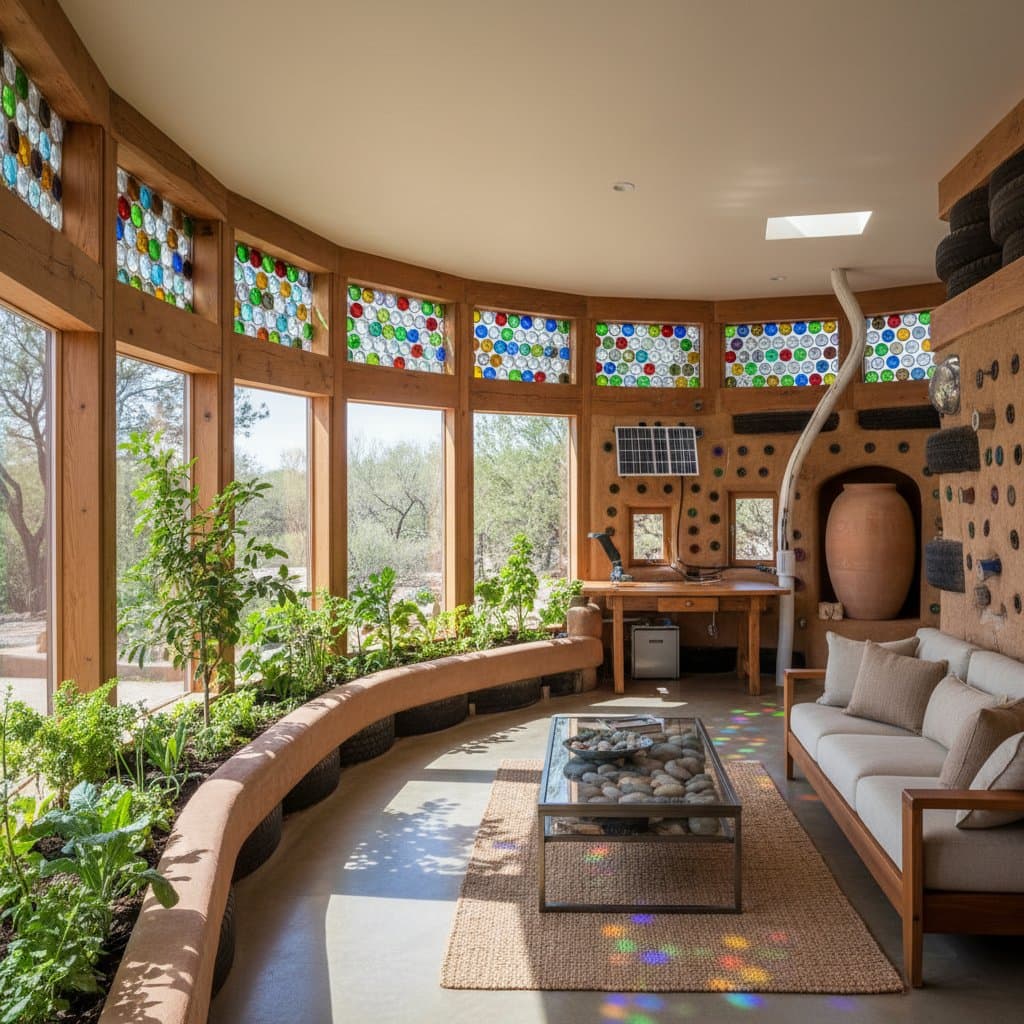
Imagine a home that operates independently, capturing rainwater, generating electricity, and maintaining comfortable temperatures without reliance on external utilities. Natural light streams through walls crafted from glass bottles, and the sounds of nature replace urban clamor. This vision draws many toward greater independence, and Earthships make it achievable through practical, innovative design.
Evolution of Off-Grid Homes
Off-grid living once evoked images of basic cabins with few amenities. Earthships shift this narrative by combining self-sufficiency with aesthetic appeal. Constructed from recycled tires, glass bottles, and aluminum cans, these homes repurpose waste into durable, efficient structures.
Beyond environmental benefits, Earthships eliminate escalating utility costs and disruptions from supply issues. They enable residents to connect deeply with their environment while enjoying thoughtfully designed interiors.
Core Principles of Earthship Design
Earthships address six key human needs via integrated natural systems, forming a blueprint for autonomy.
-
Thermal Mass for Heating and Cooling: Earthen walls absorb daytime heat and release it gradually at night. Paired with oriented windows, this maintains consistent indoor climates without HVAC equipment.
-
Renewable Energy Generation: Solar photovoltaic panels and wind turbines supply electricity for lighting, appliances, and pumps, often storing excess in batteries for nighttime use.
-
Rainwater Collection and Reuse: Roof surfaces channel precipitation into cisterns, where filtration purifies it for potable use, with subsequent recycling for laundry, toilets, and plant watering.
-
On-Site Wastewater Management: Greywater from sinks irrigates interior plants, while blackwater processes through septic or constructed wetlands, closing the nutrient loop.
-
Integrated Food Cultivation: South-facing greenhouses within the structure support year-round growth of produce like tomatoes, greens, and citrus, reducing grocery needs.
-
Recycled Building Materials: Packed-earth tires provide insulation superior to concrete blocks; bottle walls diffuse light and add color, enhancing both function and form.
These elements interconnect to create resilient homes that thrive off-grid.
Step-by-Step Construction Overview
Earthship building resembles artistic assembly more than conventional framing. Begin by ramming earth into tires to form load-bearing walls, which cure into solid masses. Apply earthen plaster for a seamless, breathable finish that resists moisture.
Start with a core module, such as a 400-square-foot unit, expandable via additional bays. Engage laborers for the physical packing phase, which requires tamping tools and safety gear. Professional guidance ensures structural integrity, particularly for roof integration with greenhouse elements.
Adapting to Regional Climates
Designs vary by location to optimize performance. In arid zones, emphasize overhangs for shade and vents for cross-breezes to combat heat. Temperate areas benefit from additional rammed-earth berms for insulation and larger thermal mass.
This site-specific approach ensures efficiency. For instance, coastal builds incorporate corrosion-resistant materials, while mountainous sites prioritize windbreaks. The result harmonizes human shelter with local ecosystems.
Budgeting and Regulatory Essentials
Costs range from $150 to $300 per square foot, often lower than stick-built homes due to material savings. A 1,200-square-foot Earthship might total $200,000 with owner-builder involvement, including $20,000 for solar systems.
Navigate permits by submitting detailed plans highlighting energy compliance and waste management. Consult engineers for seismic or flood zones. Partner with certified sustainable builders to expedite approvals and adhere to codes on foundations and electrical hookups.
Benefits Beyond the Physical Structure
Residents often report profound satisfaction from this lifestyle shift. Daily interactions with natural systems heighten environmental awareness and resource mindfulness. An Earthship fosters skills in maintenance, from panel cleaning to compost monitoring.
Picture harvesting fresh basil for meals or watching rain replenish your reserves. These routines cultivate resilience and joy, proving sustainability enhances rather than restricts daily life.
Steps to Launch Your Earthship Project
Begin by assessing your site: evaluate solar exposure, water access, and soil type through basic tests or consultations. Study blueprints from established models, adapting them to your needs, such as incorporating passive solar for heating.
Join forums or attend workshops to learn techniques like tire packing. Once prepared, list your project on Doric South at no cost. Connect with experienced contractors specializing in natural builds to handle permitting, sourcing, and execution from foundation to finish.
Embracing a Balanced Off-Grid Future
Earthships challenge conventional housing by proving waste can yield enduring value. They integrate conservation with modern comforts, inviting a deliberate approach to living. In adopting this path, individuals craft not just homes, but legacies of stewardship and innovation.