
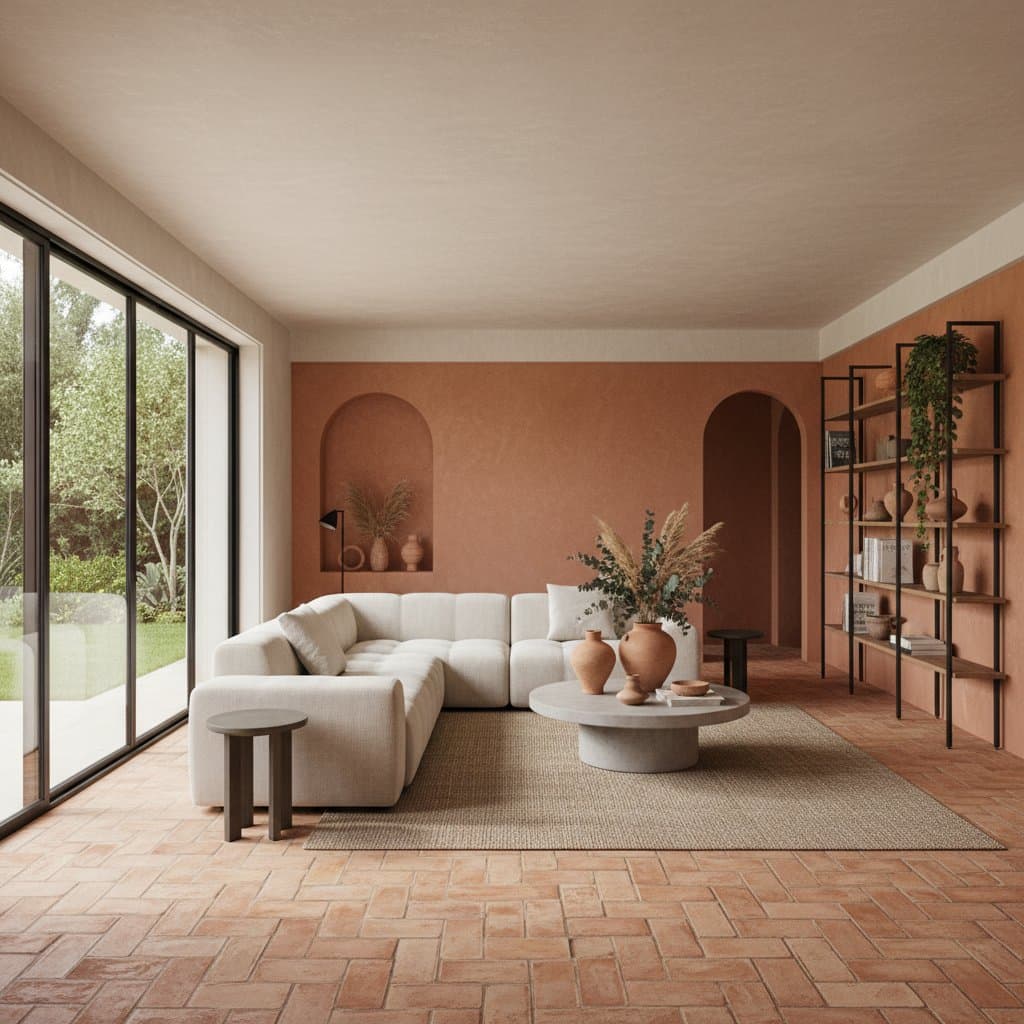
The Resurgence of Terracotta in Contemporary Design
Picture a sunlit kitchen where walls radiate a gentle glow, floors capture shifting light, and surfaces convey vitality and stability. This comforting natural warmth arises from terracotta. Traditionally associated with Mediterranean courtyards and rustic estates, this clay-based material now reshapes interior spaces worldwide, fostering timeless and hospitable environments. The resurgence of terracotta represents more than a fleeting style; it signifies a profound reconnection to the earth via hue, surface, and depth.
Consider incorporating warmth into a sterile living room or a bland bathroom. Terracotta provides an effective solution through its spectrum of red and orange earth tones, which enrich plain areas with nuance and vitality. Beyond color, terracotta excels in adaptability, integrating smoothly with modern aesthetics, seaside motifs, and traditional forms.
Factors Driving Terracotta's Popularity
Terracotta ranks among the foremost finishes in interior design discussions. Its appeal stems from authenticity. Amid synthetic surfaces and subdued gray schemes, terracotta restores heat, irregularity, and individuality. The term translates to baked earth, precisely capturing its essence: a tangible bond between dwelling and terrain.
Terracotta introduces volume through varied shades from muted rose to intense sienna and textures from polished glazes to artisanal pottery. Each item bears traces of its creation, imprinting uniqueness on a space. This handmade quality evokes craftsmanship and habitation, qualities absent in standardized products.
Appreciating Terracotta's Inherent Character
Touch a terracotta floor tile to experience its inviting tactile nature. The surface remains warm, occasionally irregular, and faintly absorbent. Such qualities prompt pause and admiration for organic craftsmanship. Terracotta embraces imperfection, acquiring light wear, a gentle sheen, and enhanced allure over years.
This evolving trait suits those seeking refined yet casual homes. Terracotta appears in communal kitchens, serene bathrooms resembling wellness areas, and transitional patios. It embodies comfort akin to a reassuring hold.
Integrating Terracotta into Home Areas
To incorporate terracotta, evaluate the desired ambiance. It functions effectively in subtle elements or expansive applications. Consider these targeted suggestions:
-
Flooring for Stability
Terracotta tiles establish a solid foundation in entryways or kitchens, imparting rustic appeal. Combine with crisp white walls and untreated wood for Mediterranean vibes, or pair with ebony cabinets and bronze hardware for bold impact. -
Walls Offering Subtle Luminosity
Apply terracotta plaster or clay-infused paint for walls that emit diffused light. These options produce tonal shifts for added dimension, unlike uniform coatings. Transform a sunlit lounge or quiet corner into a cozy haven. -
Details for Narrative Depth
Select terracotta for planters, lamp stands, or vessels to introduce unity and heat amid neutrals. These elements provide warmth without dominance. -
Exterior Areas for Continuity
Suited to origins outside, terracotta enhances patios, walkways, and decks. It withstands weather variations and links indoor and outdoor realms. Incorporate potted evergreens or foliage for a European countryside essence. -
Fireplaces as Central Features
Encircle a hearth with terracotta for inherent coziness in living areas. Style traditionally or contemporarily to suit preferences.
Combining Terracotta with Complementary Elements
Terracotta harmonizes with diverse materials, its warm base offsetting cooler ones like marble, cement, or metal. In gray- or white-dominant homes, it tempers severity and promotes balance.
Experiment with terracotta alongside smoothed limestone or blend clay hues in fabrics with cane and timber. For depth, add cotton, fleece, and interlaced containers. Aim for distinction free of excess; terracotta flourishes among organic allies.
Selecting Appropriate Shades
Terracotta varies from light peach to profound rust, influenced by clay type and baking method. Test samples under daily lighting conditions. Dawn rays may soften pale versions, while dusk highlights richer reds.
-
Pale Peach Variant
Suitable for compact rooms requiring illumination. Pair with light timber, fabric drapes, and braided elements. -
Standard Burnt Orange
Fits kitchens, meal areas, or solariums, providing classic heat without intensity. -
Intense Brick and Sienna
Reserve for highlight walls, surrounds, or broad floors in ample settings. These deliver enduring richness.
Key Practical Aspects
Terracotta endures well yet demands attention for longevity.
- Protection and Upkeep: Its absorbency invites stains; apply penetrating sealants to tiles against liquids and dampness. Renew periodically based on usage.
- Cleansing Methods: Employ neutral pH solutions to preserve integrity. Steer clear of abrasives that erode natural protections.
- Climate Adaptations: In moist areas, select glazed options or seal thoroughly. For exteriors, choose freeze-tolerant types to avoid fractures.
- Fitting Process: Engage skilled installers. Address subfloor levels and grout precisely to prevent future issues.
Evaluating Expenses and Benefits
Costs vary by craftsmanship, dimensions, and treatment. Artisanal tiles command higher rates for distinct traits unavailable in factory outputs. Budget moderate to elevated amounts per square foot, including labor. Though pricier than some options, terracotta's durability and classic value justify the outlay.
For constrained funds, limit to highlights like splash areas, surrounds, or singular walls. These yield comparable effects economically.
Environmental and Regional Advantages
Designers increasingly prioritize materials' ecological impact. Terracotta aligns seamlessly, derived from plentiful clay, processed at low heats, and frequently sourced nearby. Its resilience minimizes replacements and waste.
In temperate zones, terracotta's heat retention aids temperature control, absorbing daytime warmth and releasing it gradually. This efficiency enhances comfort and sustainability.
Terracotta and Evolving Living Patterns
Contemporary residents seek sincerity in surroundings, favoring unrefined over artificial elements. Terracotta fulfills this by evoking skilled creation and subtle flaws. It supports mindful existence through deliberate selections rooted in nature.
Modern interpretations extend beyond rural themes, merging with precise shapes, sparse arrangements, and current artwork. Examples include patterned terracotta layouts or unglazed clay in sleek kitchens with dark accents. Earthy heat paired with sharp forms yields equilibrated, vibrant areas.
Adapting Terracotta Across Styles
Terracotta flexes to varied aesthetics. Explore these combinations:
- Sleek Minimalism: Polished terracotta bases with blank walls and dull black fittings for serene contrast.
- Seaside Haven: Gentle terracotta surfaces, untreated fabrics, and fair wood for light breeziness.
- Heritage Elegance: Vivid red tiles, detailed timber, and aged metal for storied refinement.
- Eclectic Vitality: Terracotta amid printed floor coverings, knotted cords, and greenery for free-spirited art.
- Urban Rawness: Raw terracotta with cement planes and steel structures for assertive city feel.
Collaborating with Experts
From choice to placement, terracotta benefits from specialist input. Regional installers familiar with local conditions ensure optimal performance. Interior advisors versed in organic elements guide selections and execution effectively.
Experiencing Terracotta Daily
After installation, observe how terracotta alters room dynamics. Clay shades interact with light variably, imparting dynamism. It promotes ease, dialogue, and bonds. Gradual marks enhance character over perfection.
Sustain appeal through routine mild care and timely resealing. Regard it as cherished furnishing: nurture for prolonged enjoyment. With diligence, surfaces retain charm across generations.
Steps to Implementation
To initiate a terracotta refresh, pinpoint high-impact locations. Collect ideas from regional residences, periodicals, or displays. Consult area specialists on climate suitability. Each terracotta component embeds earth's essence, forging timeless human ties.
Terracotta's ascent transcends trends; it revives heat, surface, and truth. It demonstrates that potent beauty thrives in authenticity. Enveloping oneself in earthen materials elevates a home to a vibrant refuge of illumination and solace.