
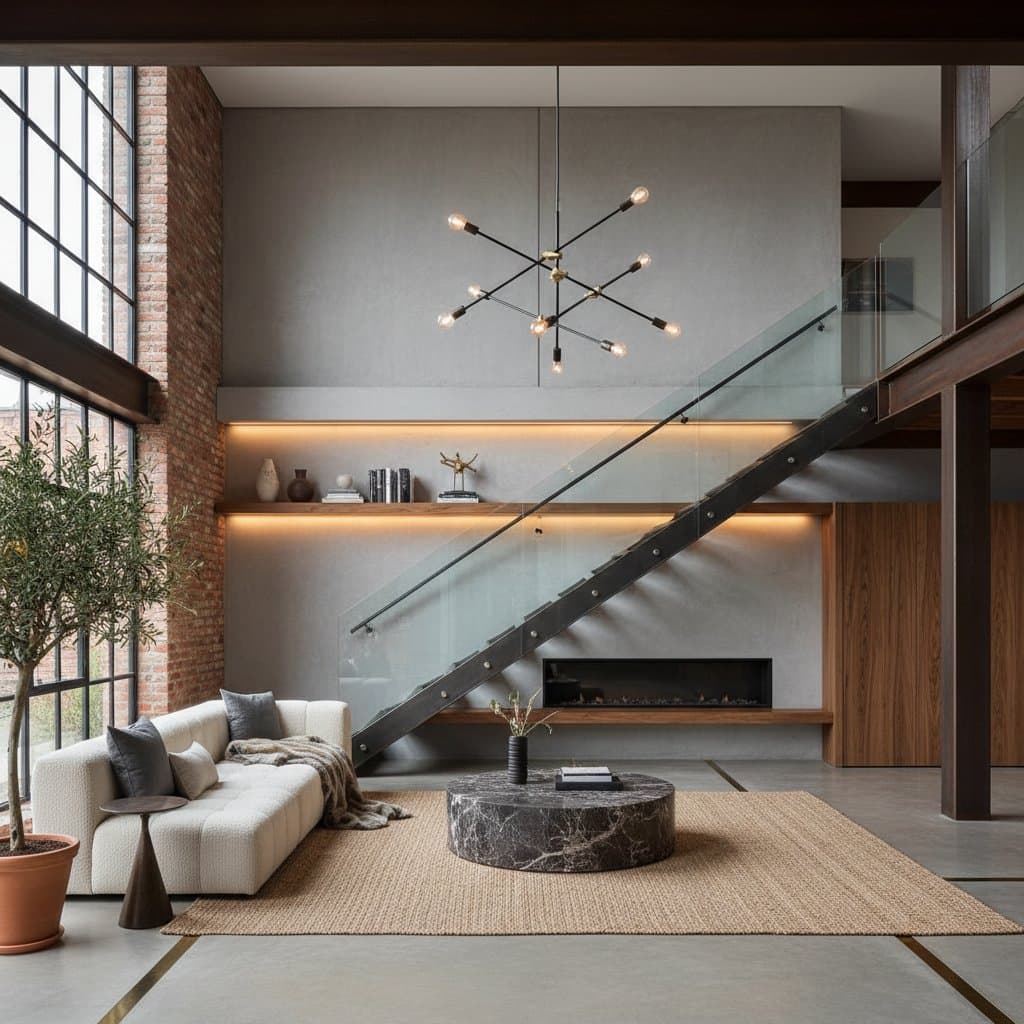
Balancing Raw Materials' Edge with True Luxury in Industrial Design
You may admire the rugged honesty of industrial design, with its exposed brick, raw steel beams, and aged concrete surfaces. As you plan an industrial-inspired space, concerns about an unfinished appearance might arise. The solution involves intentional balance. Raw materials, when curated thoughtfully, foster an atmosphere of quiet sophistication that remains grounded yet luxurious.
The Appeal of Raw Authenticity Refined
Industrial chic originated in converted warehouses and lofts, where exposed pipes, weathered wood, and concrete floors evoked tales of labor and genuineness. This gritty charm has matured into a design approach that honors imperfection alongside comfort. The draw stems from contrasts: rough against smooth, matte beside glossy, utilitarian tempered by warmth and illumination.
Luxury here transcends marble or gold; it arises from craftsmanship, proportion, and allowing materials to express their inherent qualities. A slab of reclaimed oak surpasses polished veneer in luxury when respected and illuminated appropriately. Authentic industrial chic embraces reality rather than simulating rawness.
Harmonizing Edge with Elegance
Industrial design often conjures images of exposed ductwork and concrete floors, yet contemporary interpretations prove more subtle. The objective centers on harmonizing raw materials with refined finishes, where each texture amplifies the others.
Consider a kitchen featuring matte black cabinetry, brushed brass hardware, and a concrete countertop displaying subtle tonal variations. Envision a living room with exposed brick walls softened by velvet upholstery and amber-toned lighting. Raw elements provide character, while refinements ensure comfort.
Essential Raw Materials for Industrial Luxury
Select materials that mature gracefully, deliver depth, and exhibit genuine texture to attain elevated design. Consider these options:
-
Concrete: Formerly seen as merely functional, concrete now serves in flooring, countertops, and lighting fixtures. Its cool, tactile quality complements warm woods or plush fabrics. Polished versions reflect light for a smooth feel underfoot; matte finishes contribute an organic, grounded presence.
-
Exposed Brick: Brick walls establish an industrial tone immediately. Leave them natural for rusticity, apply limewash for subtlety, or seal for a gentle sheen. Uneven surfaces create depth and shadow, lending a layered, inhabited quality to spaces.
-
Steel and Iron: Metal embodies industrial essence, appearing in black steel window frames, iron shelving, or custom stair railings. It imparts structure and durability. Counter its hardness with warm elements like wood or linen.
-
Reclaimed Wood: Wood offsets the chill of metal and stone. Reclaimed boards, marked by nicks and knots, introduce history and warmth. Employ them in beams, flooring, or prominent furniture; their patina narrates a story and emotionally anchors the space.
-
Glass and Lighting: Industrial design flourishes with light. Steel-framed large windows, glass partitions, or transparent railings expand spaces and highlight architectural details. Thoughtful lighting, from filament bulbs to elegant pendants, unifies raw materials into a seamless whole.
Layering Textures for Sophisticated Depth
Luxury materializes through deliberate texture layering. Establish a rough foundation with exposed brick or concrete, then incorporate contrasting smooth or soft surfaces. Approach it this way:
- Floors: Opt for polished concrete or aged oak planks as the base. Layer wool or jute rugs to dampen sound and mellow visual intensity.
- Walls: Balance brick or plaster with contemporary artwork, framed mirrors, or matte paints.
- Surfaces: Blend metals judiciously; black iron harmonizes with brushed brass or antique copper. Excess of one tone risks a flat appearance.
- Fabrics: Select natural fibers such as linen, leather, or wool. These enhance raw components without rivalry.
Infusing Comfort While Preserving Character
Industrial environments risk feeling stark without proper equilibrium. Warmth integrates seamlessly without diluting essence.
- Lighting: Employ layered illumination, merging ambient overhead sources with task lights and accent fixtures. Warm bulbs generate an inviting glow that enhances raw materials.
- Color Palette: Adhere to neutrals with tonal variation. Charcoal, taupe, ivory, and olive integrate well with exposed surfaces.
- Greenery: Introduce plants to ease sharp lines and inject vitality. A fiddle-leaf fig or trailing ivy softens metal-dominated areas.
- Personal Elements: Integrate artwork, vintage items, or handcrafted objects. Such details personalize the setting, rendering it curated rather than contrived.
Mastering Refinement Through Craftsmanship
Industrial chic relies on authenticity, yet luxury hinges on precise execution. An unsealed concrete countertop invites stains; untreated brick deteriorates. Durability and safety demand attention while upholding aesthetics.
Exposed beams appeal aesthetically, but structural soundness takes priority. Professionals distinguish decorative from reinforced elements. Visible plumbing and wiring necessitate similar scrutiny. Effortless appearance requires meticulous planning.
Essential Planning Steps Before Starting
Pause to strategize prior to commencement. Note these considerations:
- Budget: Costs fluctuate; local reclaimed wood proves economical, whereas custom steel or polished concrete escalates expenses. Solicit quotes from multiple suppliers.
- Maintenance: Seal concrete and metal; clean brick periodically to avert dust buildup. Align finishes with daily routines and upkeep preferences.
- Permits and Regulations: Exposing structures or altering walls demands approvals. Confirm compliance with local codes.
- Timeline: Custom work or concrete curing prolongs schedules. Allocate extra time to avoid haste.
- Expert Assistance: DIY suits some tasks, but electrical, structural, or finishing work requires licensed specialists.
For suitable professionals, post your project on Doric South at no cost. The platform links you to vetted contractors skilled in industrial renovations, delivering quality and reliability.
Blending Eras for Timeless Versatility
Industrial chic endures due to its adaptability across tastes and pairings of vintage with modern. A sleek leather sofa complements a rough brick wall as readily as an antique cabinet. The style encourages creative fusion.
Experiment across periods in a single area. Combine a mid-century chair with a raw steel shelf, or suspend a modern chandelier over reclaimed wood dining furniture. Such integrations maintain freshness and individuality, avoiding overly thematic rigidity.
Embracing Sustainability Through Narrative Materials
Raw materials inherently promote sustainability. Reclaimed wood, recycled metal, and repurposed stone minimize waste while enriching stories. Scratches and grains preserve history. Local sourcing bolsters artisans and cuts transport, infusing projects with regional character.
Visualize traversing floors from salvaged factory timber or sharing meals at tables from reclaimed beams. These selections beautify while linking homes to themes of renewal and artisanal respect.
Implementing Your Vision Step by Step
Convert your space into a haven merging grit and grace. Industrial chic crafts harmony between candor and ease. Initiate with a single element, such as a polished concrete island or brick accent wall, then incrementally add harmonious features for lasting, personalized luxury.