
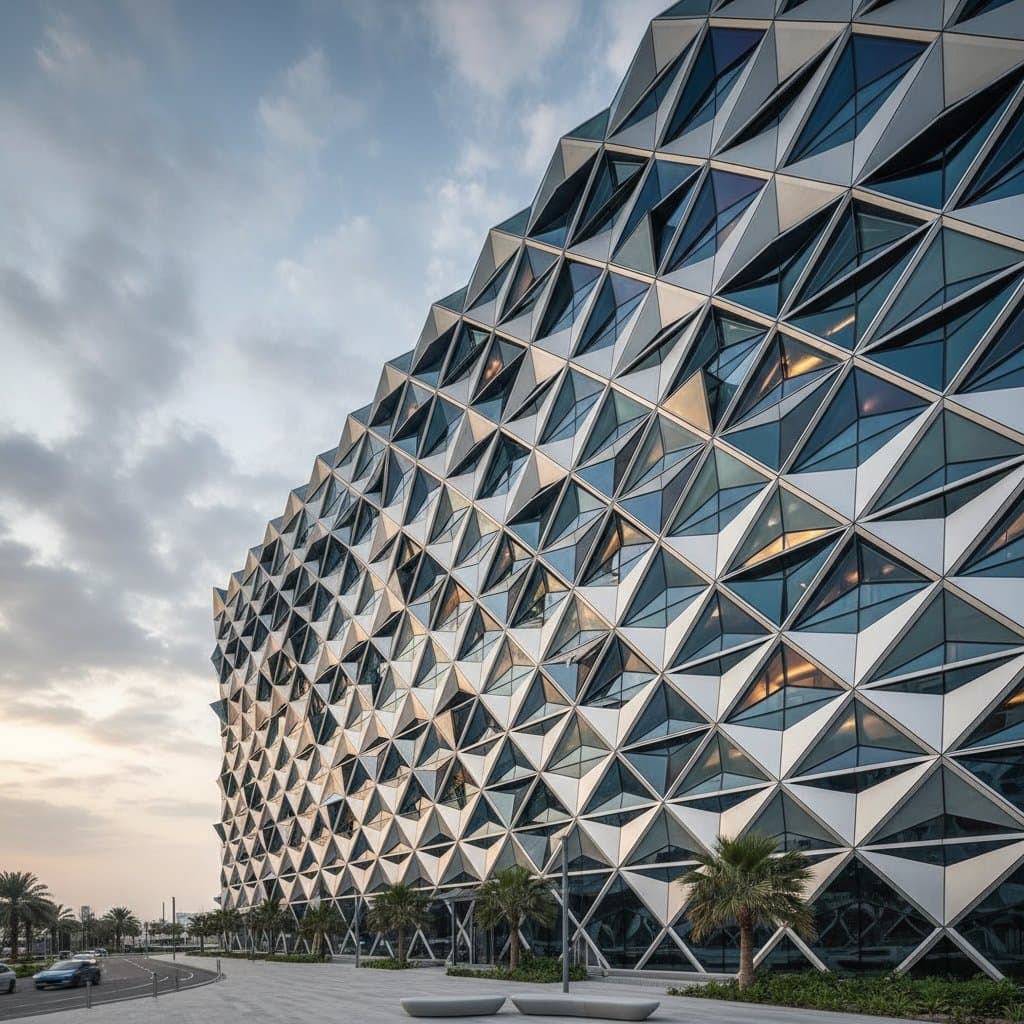
Parametric Facades: Adaptive Exteriors for Modern Architecture
Picture a urban landscape where structures interact dynamically with their surroundings. Glass elements adjust to incoming sunlight, while metallic panels respond to wind patterns. Parametric facades realize this vision by turning building exteriors into responsive systems that enhance environmental performance and aesthetic appeal.
These designs leverage computational tools to create surfaces that adapt in real time. Architects employ them to address challenges like energy efficiency and occupant comfort. As architecture evolves toward sustainability, parametric facades emerge as a key innovation for 2026 and beyond.
Foundations of Parametric Design in Facades
Traditional building exteriors often prioritize fixed forms over adaptability. Parametric facades shift this paradigm by integrating algorithms that generate complex, data-driven geometries. Designers input environmental factors, such as solar paths or prevailing winds, to model facades that optimize light diffusion and thermal regulation.
This method draws from parametricism, a computational approach pioneered in the early 2000s. Software like Grasshopper for Rhino allows iterative testing of thousands of variations. The result is a facade that not only looks innovative but also performs efficiently across seasons.
Consider a high-rise office building in a sunny climate. Parametric louvers could tilt automatically to block harsh midday rays, reducing reliance on mechanical cooling. Such precision ensures that form serves function without compromising visual harmony.
Core Mechanisms Behind Adaptive Facades
Parametric facades operate through a synergy of digital modeling, material innovation, and engineering. At the heart lies algorithmic simulation, where parameters define how elements behave under varying conditions. This process enables facades to transition from static cladding to interactive envelopes.
Engineers simulate airflow using computational fluid dynamics tools to predict ventilation needs. For instance, in coastal areas prone to salt spray, algorithms might design perforated screens that filter air while maintaining structural integrity. These simulations guide the creation of facades that withstand local stresses.
Integration with building management systems adds another layer. Sensors embedded in the facade monitor temperature and humidity, triggering adjustments via actuators. This closed-loop system minimizes energy waste and extends the lifespan of building components.
Essential Components of Parametric Systems
Building a parametric facade involves several interconnected elements. Each contributes to the overall responsiveness and durability of the design.
-
Computational Algorithms: Tools such as Dynamo or custom scripts process environmental data to output optimized panel layouts. Designers refine these models to balance aesthetics with performance metrics like shading coefficients.
-
Advanced Materials: Options include electrochromic glass that tints on demand or shape-memory alloys that deform with temperature changes. These materials respond passively or actively, reducing the need for constant energy input.
-
Kinetic Structures: Hinges, sliders, or cable systems enable movement. For example, a helical facade might rotate sections to follow the sun's arc, improving natural lighting in interior spaces.
-
Precision Manufacturing: Techniques like robotic milling or additive manufacturing produce intricate parts with minimal material loss. This ensures seamless assembly on-site, even for curved or irregular forms.
These components combine to form facades that adapt seamlessly. In educational facilities, for instance, they can modulate daylight to support varying classroom activities throughout the day.
Key Factors for Successful Implementation
Adopting parametric facades demands careful evaluation of project specifics. Initial assessments should focus on site analysis to identify dominant environmental influences.
Budget planning requires detailed cost modeling. Basic static parametric panels might add 10 to 20 percent to cladding expenses, while fully kinetic versions could double that figure due to sensor integration. Phased implementation, starting with pilot sections, helps manage financial risks.
Maintenance protocols are crucial for longevity. Schedule annual checks for mechanical components and clean sensors quarterly to prevent performance degradation. Opt for modular designs that allow easy replacement of individual elements without disrupting the entire system.
Regulatory compliance varies by region. Kinetic facades may need wind load certifications under standards like ASCE 7. Engage local authorities early to align designs with seismic or fire safety codes, avoiding delays in permitting.
Climate suitability guides material selection. In arid regions, facades with evaporative cooling fins can lower indoor temperatures by up to 5 degrees Celsius. Humid environments benefit from antimicrobial coatings on responsive surfaces to resist mold growth.
Benefits Driving Adoption Among Professionals
Architects value parametric facades for their ability to create bespoke solutions that reflect project narratives. A cultural center might feature undulating panels inspired by local flora, fostering a sense of place while optimizing acoustics.
From a performance standpoint, these systems cut energy consumption by 20 to 30 percent through passive solar control. Developers appreciate the marketability; adaptive buildings command premium rents and attract eco-conscious tenants.
Sustainability certifications like LEED reward such innovations. Facades that harvest rainwater or generate micro-wind energy contribute points in categories for innovation and regional priority.
Occupants experience tangible improvements in comfort. Reduced glare and better ventilation lead to higher productivity in workspaces. In residential settings, adaptive shading preserves views while maintaining privacy.
Steps to Integrate Parametric Facades in Your Project
Begin by assembling a multidisciplinary team, including parametric specialists and facade engineers. Conduct a feasibility study using BIM software to visualize integration with the building's core structure.
Prototype key elements early. Fabricate small-scale models to test movement under simulated conditions, refining algorithms based on real-world feedback.
For sourcing expertise, platforms like Doric South connect projects with qualified contractors. Post details of your vision, and receive proposals from professionals versed in local codes and fabrication techniques. This streamlines the path from concept to construction.
During installation, prioritize quality control. Use laser scanning for precise alignment, ensuring that dynamic elements operate smoothly from day one.
Elevating Urban Environments Through Responsiveness
Parametric facades bridge the gap between architecture and ecology, creating structures that evolve with their contexts. They turn buildings into active participants in sustainable urban ecosystems.
As cities face intensifying climate pressures, these adaptive exteriors offer practical pathways to resilience. Developers and designers who embrace them position their projects at the forefront of innovative, forward-thinking construction.
Explore parametric options for your next endeavor to unlock efficiencies and inspirations that static designs cannot match. The result is architecture that not only endures but thrives in harmony with its environment.