
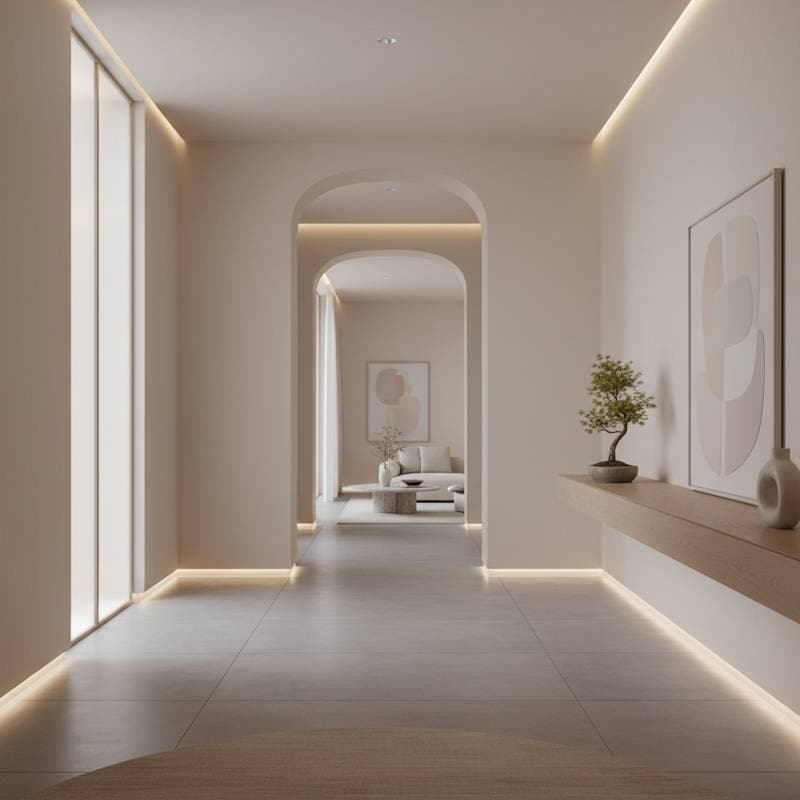
Liminal Spaces: Eerie Elegance in Home Design
You have probably walked into a hallway at night or an empty room during a move and felt that quiet, almost unsettling stillness. It is not frightening exactly. It feels suspended, like something between moments. That feeling has a name: liminal space. Designers and homeowners are turning that eerie calm into a design trend. They embrace the in-between to create homes that feel both nostalgic and modern.
Why Liminal Spaces Feel Striking
A liminal space sits between two states. Examples include a stairwell that connects floors or a mudroom that leads outside. These areas often have low traffic, simple finishes, and lighting that feels slightly off balance. The result is a mood that feels familiar yet distant.
When you bring that feeling indoors on purpose, you create depth and emotional texture. Your home becomes an experience that invites reflection. You can shape a liminal atmosphere through lighting, layout, and subtle detail.
Turning the Concept into a Design Tool
To design with liminal qualities, think about how you move through your home. Identify where transitions happen. The hallway that links your bedroom and bath serves as a natural starting point.
Apply these methods to bring liminal design into your space:
- Play with lighting. Soft, indirect light works best. Use a single floor lamp in a corner or a low-watt bulb with a warm tone. Lighting should feel like twilight.
- Simplify furniture and decor. Keep the area partially empty. Choose pieces with clean lines such as an old chair or a single mirror.
- Use muted color palettes. Pale gray, faded beige, and off-white create a neutral backdrop that feels timeless.
- Embrace imperfection. Slight irregularities like textured plaster or visible wood grain help the space feel lived-in.
- Control sound and scent. Enhance quiet with soft ambient music or the faint scent of wood or linen.
The Emotional Side of Liminal Design
Liminal spaces create an emotional pause. Many people describe them as nostalgic or dreamlike. You might recall a school hallway after hours or a childhood home during renovation. That gentle unease becomes comforting when balanced carefully.
In home design, this feeling encourages mindfulness. You become aware of how space affects your mood. A softly lit corner invites quiet thought.
Weigh Benefits and Challenges
Consider these points before you begin.
Benefits:
- Creates a calm, reflective mood.
- Encourages minimalism and thoughtful choices.
- Works with both modern and vintage interiors.
- Achieves results through low-cost changes such as lighting and paint.
Challenges:
- Can feel cold or empty if overdone.
- May reduce practicality in high-traffic areas.
- Requires balance between simplicity and comfort.
Start with a single hallway or spare room to capture the feeling without overwhelming your house.
Budget and Effort Breakdown
Liminal design does not require expensive materials. Paint, light bulbs, and simple decor items often suffice. Allocate 50 to 150 dollars for paint and supplies. Budget 30 to 100 dollars for lighting. Vintage mirrors or rugs range from 40 to 300 dollars. Complete a small makeover in a weekend.
Creating Transitional Flow
A true liminal atmosphere depends on smooth transitions. Match tones between rooms. Repeat materials such as light wood across nearby spaces. Dim lights gradually as you move from social to private areas. Keep sightlines open by avoiding furniture in hallways.
Nostalgia Meets Modern Calm
Liminal design captures the strange familiarity of forgotten places. It also matches modern trends that favor simplicity. Pair a sleek sofa with a vintage lamp. Display photographs of empty streets or quiet corridors to reinforce the mood.
Safety Considerations
Ventilate well when repainting. Wear protective gear. Choose low-VOC paints. Hire a licensed electrician for any wiring adjustments.
Practical Implementation Steps
Liminal design is about balance. Look at the quiet corners of your home and see them differently. Adjust the light in one area. Clear away clutter. Observe how the space affects your daily movement. Your home does not need to be loud to feel alive. The most beautiful moments often happen in between.