
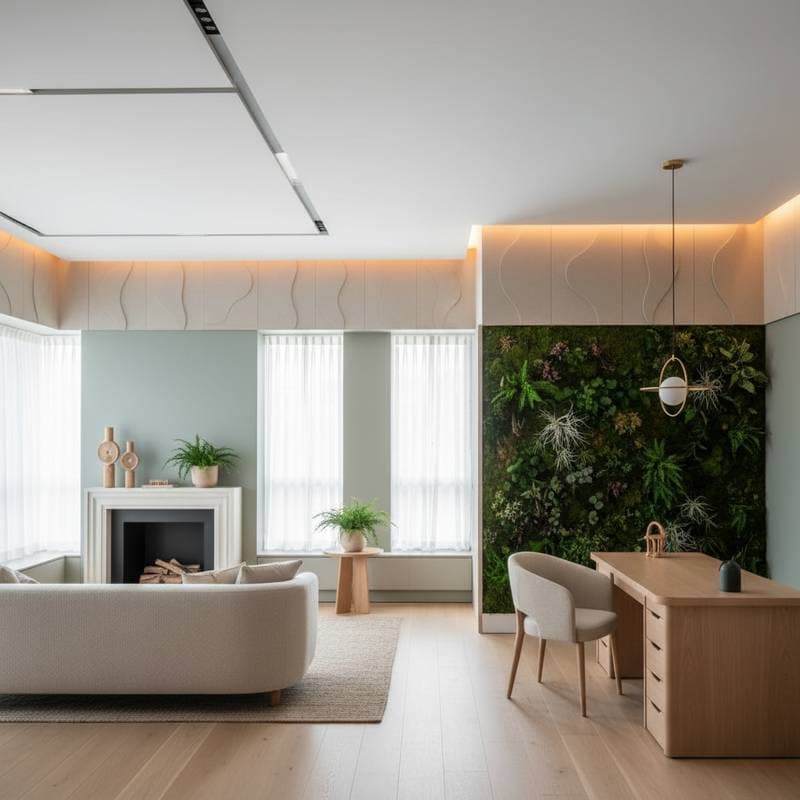
Spaces That Boost Mental Wellness via Neuro-Architecture
Imagine entering a room where tension eases immediately. Soft colors soothe the eyes, diffused light warms the space without overwhelming, and the body relaxes instinctively. Such responses arise from deliberate design choices. Neuro-architecture examines how built environments interact with the brain to influence stress, concentration, and emotional states.
Environments play a significant role in daily well-being. If fatigue persists despite adequate rest, consider the impact of surrounding spaces. Thoughtful modifications can convert ordinary rooms into supportive settings that foster mental health.
Principles for Designing Mental Wellness
Apply these neuro-architecture principles to enhance spaces. Each approach draws on scientific insights to promote calm, focus, and recovery. Implement them step by step for noticeable improvements.
1. Prioritize Natural Light
Exposure to natural light regulates circadian rhythms and elevates serotonin production, which stabilizes mood and reduces anxiety. In rooms without ample windows, position mirrors to reflect sunlight or select matte white walls that amplify brightness. Install adjustable LED lights programmed to mimic daylight progression, from cool morning tones to warmer evening hues, to align with biological needs.
For example, in a home office, angle a desk toward a window to capture morning light, which sharpens alertness. Such adjustments not only brighten the area but also signal the brain to transition smoothly between tasks and rest.
2. Embrace Biophilic Design
Biophilic elements reconnect occupants with nature, lowering cortisol levels and enhancing cognitive function. Incorporate organic materials such as reclaimed wood accents or stone tabletops alongside live plants that purify air and add vitality. Simple additions like a vase of fresh greenery or textured linen fabrics evoke outdoor serenity indoors.
In larger renovations, install vertical gardens on walls or a small fountain for subtle water sounds. These features transform clinical spaces into nurturing ones, where individuals report sustained energy and reduced mental strain after implementation.
3. Use Color with Intention
Specific colors trigger predictable neural responses; cool tones like pale blue activate relaxation pathways, while earth tones ground scattered thoughts. Select palettes based on room purpose: serene lavenders for bedrooms to promote sleep, or muted grays for workspaces to minimize distractions. Test samples under various lighting conditions to ensure harmony.
Avoid bold reds or yellows in rest areas, as they stimulate arousal. Instead, layer neutrals with subtle accents, creating a visual rhythm that prevents sensory overload and supports prolonged focus.
4. Control Acoustics
Uncontrolled sound disrupts neural processing, heightening stress hormones. Layer soft furnishings such as wool rugs, velvet cushions, and cork-backed shelves to dampen echoes and absorb vibrations. In open-plan areas, strategic placement of bookshelves acts as natural baffles.
Introduce low-level soundscapes, like recordings of rainfall or ocean waves, through discreet speakers to create a buffer against external noise. This acoustic balance not only aids concentration during work but also facilitates deeper relaxation in evenings.
5. Create Spatial Flow
Efficient layouts reduce cognitive load by allowing intuitive navigation. Eliminate bottlenecks by measuring pathways at least 36 inches wide and arranging furniture to maintain clear lines of sight. In cluttered rooms, adopt a zoning approach: designate areas for specific activities, such as a reading corner free of work items.
Reposition elements thoughtfully; for instance, align a sofa to view a garden vista, inviting subconscious calm. These changes foster a sense of expansiveness, easing movement and mental transitions throughout the day.
Partnering with the Right Professionals
Expert guidance ensures effective execution of these principles. Post your project on doricsouth.com for free to connect with vetted contractors and designers who specialize in wellness-focused renovations. Each professional is screened for quality and reliability, so you can move forward with confidence knowing your project is in experienced hands. From concept to completion, you will have access to guidance that keeps your space both functional and restorative.
Sustaining Wellness Through Intentional Spaces
As design elements align with neuro-architecture, daily experiences shift toward greater equilibrium. Mornings gain vitality from natural illumination, work periods benefit from focused acoustics, and evenings offer refuge in balanced colors. These cumulative effects underscore the power of environments in supporting resilience.
Neuro-architecture emphasizes practical integration over extravagance. Select adjustments that resonate with personal needs, gradually building spaces that enhance clarity and peace. Commit to these refinements to cultivate lasting mental harmony.