
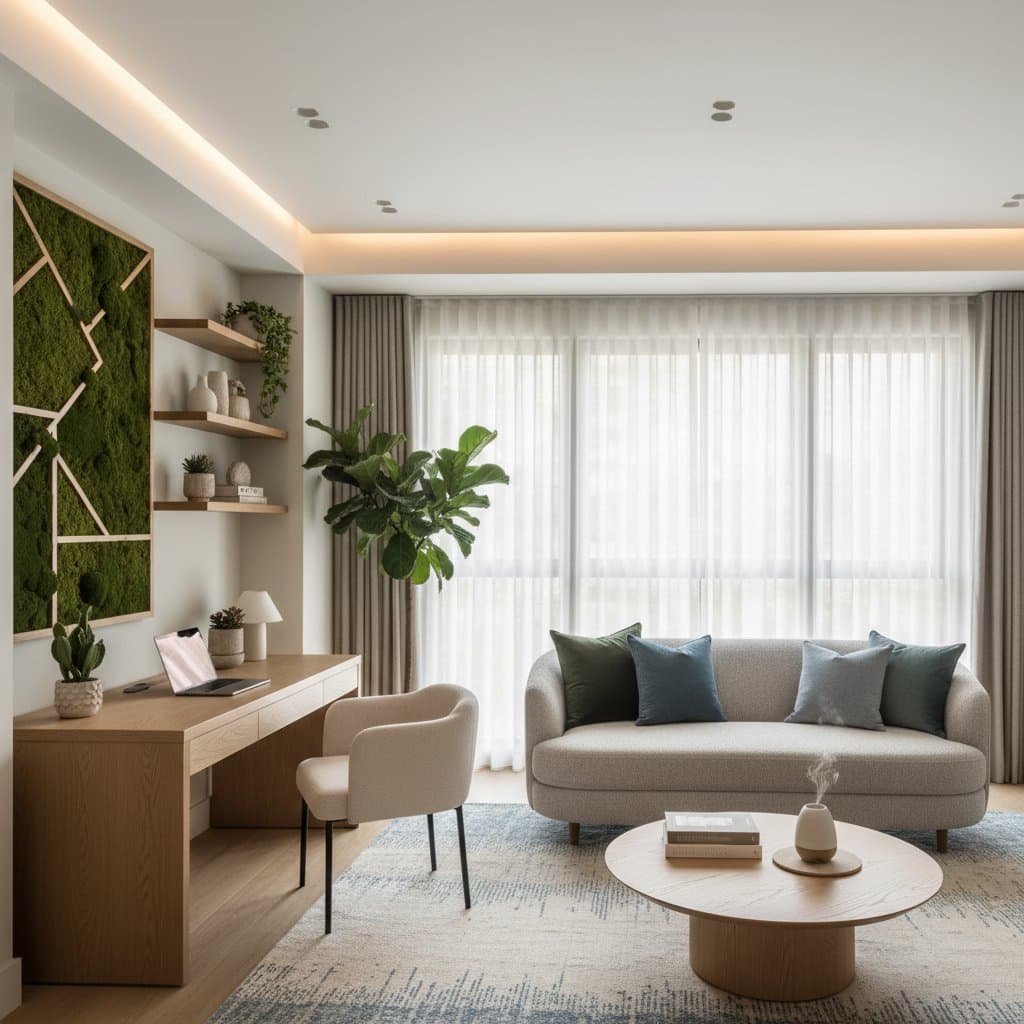
Spaces That Support Brain Health and Wellness
Entering a room often triggers an immediate emotional response. Soft lighting soothes the mind, fresh air invigorates the senses, and harmonious colors invite relaxation. These reactions stem from how environments interact with the brain. Homeowners increasingly recognize that design choices extend beyond aesthetics to influence mental sharpness, stress reduction, and daily vitality.
The key lies in applying neuro-aesthetic principles to craft supportive surroundings. Consider which elements truly enhance cognitive function. Simple adjustments can elevate focus, stabilize emotions, and sustain energy levels. This approach draws from established research in environmental psychology.
Linking Environment to Neural Responses
Neuro-aesthetic design examines the interplay between built spaces and human neurology. Visual elements, auditory cues, and tactile surfaces transmit signals to the nervous system. Cluttered areas elevate cortisol levels, heightening stress, whereas open, illuminated rooms foster tranquility and innovation.
The brain continuously interprets its context. Environments synchronized with natural cycles mitigate anxiety, enhance rest, and bolster mental acuity. These effects ground in physiological responses, enabling homes to align with innate human needs rather than disrupt them.
Essential Principles for Supportive Design
Wellness-oriented spaces emerge from targeted strategies, accessible without extensive overhauls. Focus on foundational elements adaptable to various rooms.
1. Optimizing Natural Light for Circadian Rhythm
Daylight synchronizes the body's clock, regulating alertness and rest. Sunlit areas promote expansiveness and optimism. In homes with limited windows, incorporate mirrors or light wells to amplify illumination. Consult experts for evaluating orientations or installing roof vents.
Practical advice: Install dimmable LED systems replicating sunrise-to-sunset patterns. Quality units range from $80 to $250 per space and minimize visual discomfort while combating drowsiness.
2. Integrating Biophilic Elements for Grounding
Organic materials resonate deeply with human physiology. Timber, rock, and foliage provide stability that artificial substitutes cannot replicate. Introduce vertical gardens or substantial greenery to lower airborne pollutants and heighten attentiveness.
Budget guide: Individual plants cost $40 to $150 based on scale and type. Full living walls vary from $800 to $3,000, factoring in setup and watering systems.
3. Applying Color for Emotional Regulation
Hues impact the limbic system, governing feelings and recollections. Calming blues and greens ease tension, while earthy tones build security. Vibrant accents like red energize but suit larger volumes to avoid overload.
Select eco-friendly, low-emission paints for healthier interiors. One gallon, covering 350 square feet, typically runs $40 to $70.
4. Enhancing Flow for Mental Efficiency
Order streamlines neural processing. Defined routes and reduced disarray lighten cognitive demands. Fluid arrangements facilitate ventilation and visibility. Position furnishings to promote equilibrium, easing the brain's interpretive workload.
Implementation level: Straightforward for most, involving repositioning items. Extensive reconfiguration warrants professional review for stability.
5. Achieving Acoustic Harmony
Auditory environments influence physiology alongside visuals. Reflective surfaces amplify disturbances, impeding focus, but absorbent materials create serene backdrops that steady vital signs.
Incorporate carpets, drapes, or sound-dampening boards. Entry-level options start at $50 per unit, with bespoke installations up to $500.
Tailoring Spaces to Specific Objectives
Customize designs to match intended uses. Work areas demand stimulation, rest zones invite repose. Adapt principles accordingly for optimal results.
- Productivity zones: Employ cool palettes, abundant daylight, and structured setups. Position foliage adjacent to workstations for air purification.
- Restorative areas: Select plush fabrics, gentle illumination, and subdued shades. Clear obstructions to permit neural downtime.
- Inspirational spaces: Blend diverse surfaces with adaptable lights. Feature artwork or modular pieces to spark exploration.
View the residence holistically, ensuring cohesive sensory threads across zones while honoring distinct purposes.
Implementation Factors: Budget, Schedule, and Precautions
Neuro-aesthetic enhancements scale to financial constraints. Basic updates like illumination tweaks, coatings, and organization may total under $1,000 for key areas. Ambitious projects, including surfaces or natural integrations, escalate to thousands based on selections.
Typical expenses:
- Illumination enhancements: $80 to $250 per area
- Eco-paints: $40 to $70 per gallon
- Greenery additions: $40 to $150 per specimen
- Sound mitigation: $50 to $500 per element
Duration: Weekend efforts suit minor tweaks. Comprehensive transformations span weeks, particularly with wiring or framework adjustments. Verify regulations for overhead features or partitions.
Precautions: Engage specialists for circuits, supports, or climate systems. Modifications near utilities demand certified experts to safeguard integrity and property worth.
Neural Benefits and Lasting Impact
Aligned spaces yield swift physiological shifts. Cortisol diminishes, concentration strengthens, and rejuvenation deepens. Organic inputs and even lighting convey security, allowing the brain to relax from vigilance and allocate resources efficiently. Sustained exposure diminishes exhaustion and amplifies life quality.
This discipline prioritizes functionality over extravagance, fostering presence and acuity. Incremental modifications deliver tangible daily gains.
Steps to Initiate Your Design Update
Select a single area as a starting point. Evaluate its sensory impact upon entry. Address dimness, congestion, or clamor with precise interventions in illumination, arrangement, and textures. Track personal responses to refine further. Prioritize steady progress over fleeting styles or lavish expenditures.