
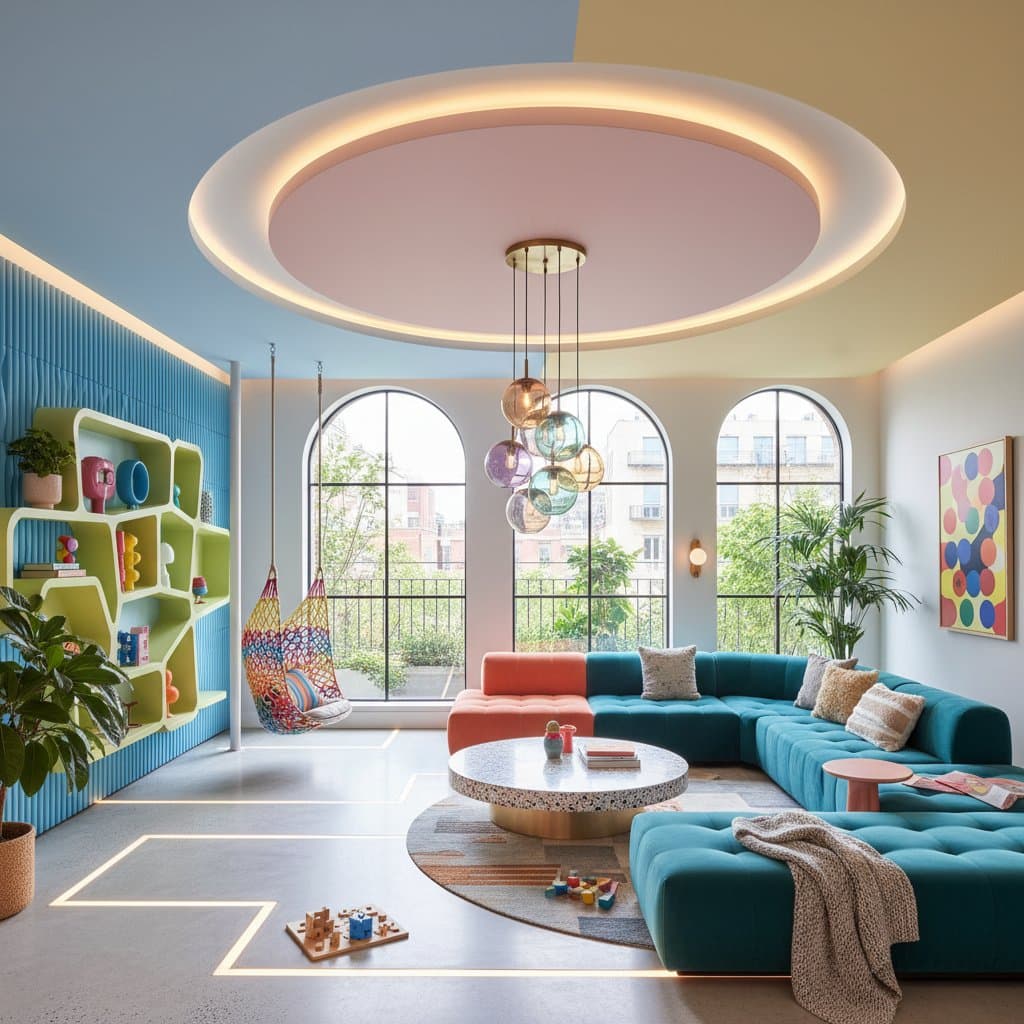
Playful Architecture for Joyful, Mood-Boosting Homes
Have you ever walked into a room and felt instantly lighter or more cheerful? The way a space looks and feels can shift your mood in seconds. Many homeowners understand that lighting, color, and layout affect comfort. Fewer realize how thoughtful, playful design can lift spirits on a daily basis.
Your home should do more than provide shelter. It should support emotional well-being through spaces that encourage curiosity, creativity, and joy. Playful architecture achieves this by stimulating the senses and triggering the brain dopamine response. The result is a home that feels alive, personal, and emotionally uplifting.
This approach avoids turning living areas into amusement parks. Instead it adds intentional moments of surprise, color, and texture that prompt pauses, smiles, and engagement with surroundings.
The Problem with Emotionally Flat Homes
A home can be perfectly functional yet emotionally dull. Monotone walls, harsh lighting, and predictable layouts often create fatigue. Overly neutral spaces may look clean but feel sterile or uninspiring.
When every room looks the same, the brain stops noticing details. That lack of variation dulls emotional connection to the space and can affect mood and productivity over time. The opposite problem arises when design choices become too chaotic or visually busy. The goal is balance that delivers small moments of delight without overstimulation.
1. Bring in Color That Energizes
Color ranks among the most powerful tools for emotional design. Warm tones such as coral, mustard, and terracotta add energy. Cool hues such as aqua or sage create calm. The key lies in layering them thoughtfully.
Tips for using color effectively include the following steps. Use bright, saturated shades in spaces where energy is desired, such as kitchens or home offices. Choose softer, muted tones in bedrooms or reading areas for a relaxing effect. Add accent colors with rugs, cushions, or artwork rather than painting entire rooms. Combine neutrals with one or two playful colors to maintain balance.
Painting a single wall or door in a bold color costs between 50 and 200 dollars depending on size and paint quality. Larger projects involving custom finishes or multiple rooms range from 1000 to 3000 dollars in professional painting costs.
2. Add Whimsy Through Shape and Form
Straight lines and right angles dominate most modern homes and can make spaces feel predictable. Incorporating curves, arches, or unusual forms adds a sense of play.
Ideas to introduce playful geometry include these options. Replace a rectangular doorway with a soft arch for a subtle architectural twist. Choose rounded furniture pieces such as circular coffee tables or curved sofas. Use built-in shelves or nooks with irregular shapes to create visual movement. Install patterned tiles or stair risers that feature geometric variation.
Curved drywall or custom millwork ranges from 500 to 2500 dollars depending on scale, materials, and finish.
3. Incorporate Art and Personal Expression
Personal touches make a space feel alive. Art, photos, and handmade objects bring emotional resonance that mass-produced decor cannot match.
How to personalize with art includes these methods. Create a rotating gallery wall where pieces can be swapped seasonally. Commission a mural or large-scale painting for a statement wall. Display collections or travel finds in curated groupings. Use sculptural lighting or furniture as functional art.
Budget-friendly prints start around 50 dollars while custom artwork can reach 500 to 5000 dollars depending on size and artist.
Practical Considerations for Homeowners
Before beginning playful architecture projects, consider the practical side. Every design decision should fit lifestyle, budget, and local regulations. Structural changes, electrical upgrades, or window expansions may require permits, so check local building codes first.
Unusual shapes or playful features must still meet basic safety standards. Railings on a curved staircase must satisfy height and spacing requirements. Hanging furniture needs secure anchoring to structural supports.
Small-scale updates such as painting or lighting can finish in one week. Structural or custom features may require several months depending on material lead times and contractor availability. Unique architectural details often signal quality craftsmanship and deliver a 50 to 80 percent return on upgrades that improve aesthetics and livability.
Regional differences matter. Coastal areas benefit from bright colors and open layouts that emphasize light and ventilation. Colder climates favor natural wood tones, warm lighting, and cozy materials for year-round comfort.
Long-Term Enjoyment Strategies
A playful, mood-boosting home should evolve with its occupants. Preferences and needs change over time. The most successful designs remain flexible enough to adapt.
Repaint accent walls or update textiles every few years to refresh the palette. Rearrange furniture to rediscover the space from new perspectives. Replace worn lighting with energy-efficient fixtures. Continue adding personal art or decor that reflects current interests.
Dopamine-driven design encourages ongoing interaction. Greater engagement with the space increases its rewards. The home becomes a partner in daily well-being rather than a static background.