
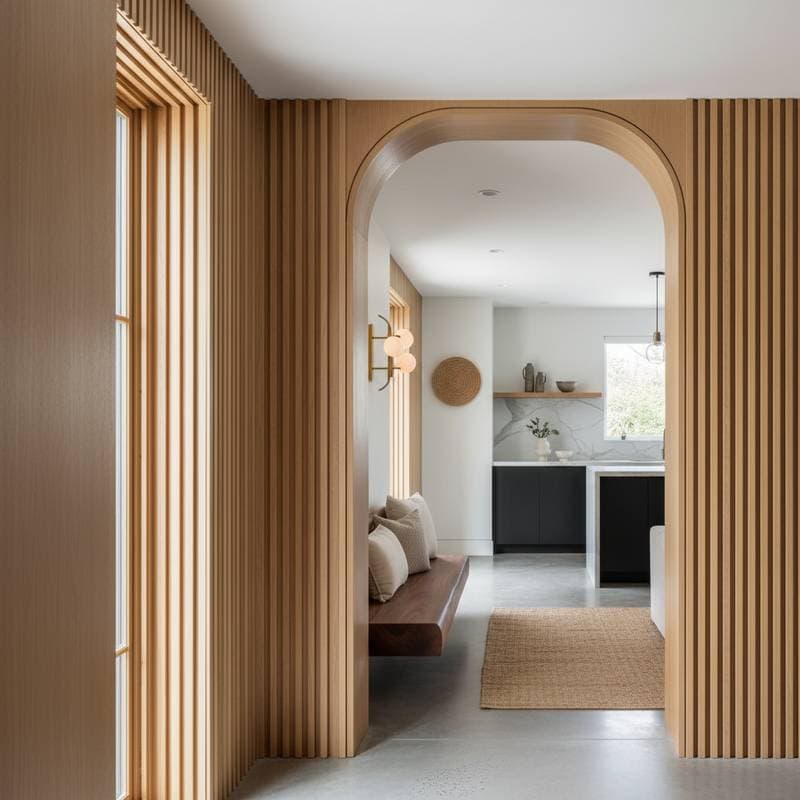
Liminal Spaces Redefining How We Design Homes
A hallway can feel quiet and still, with shifting light and a change in air that draws attention without explanation. This in-between quality defines a liminal space. In home design these areas now serve as intentional zones that guide movement, rest, and connection rather than simple passages between rooms.
The idea of liminal space brings new attention to the balance of motion and pause in architecture. Thresholds of this kind prompt slower steps and closer notice of light or texture. Homes that emphasize wellness and connection benefit when every corner receives this level of consideration.
Why Transitional Areas Influence Daily Experience
Moving from a kitchen to an outdoor area involves shifts in temperature, floor texture, and light that register immediately with the senses. Thoughtful transitional design turns these moments into smooth progressions instead of abrupt changes. The result affects perceived comfort and the sense of continuity throughout the house.
These spaces also support mental reset. They offer brief pauses between tasks and function as architectural breathers. In addition they can frame views, reduce noise carryover, and indicate boundaries through material changes rather than solid walls.
Current Shifts in Residential Layouts
Open-plan homes reduced visible progression between rooms and left transitions undefined. Designers now add measured separations that restore a sense of sequence while preserving openness. Sliding screens, altered ceiling heights, and varied floor textures mark zones for different activities without blocking light or airflow.
In sunny or variable climates these transitional zones also moderate temperature and improve energy performance. The approach keeps rooms distinct yet connected.
Practical Steps for Function and Movement
Liminal design requires clear intention at each threshold. The following approaches translate the concept into built results.
- Shape the arrival sequence with layered lighting, a change in floor material, and a direct view to a focal point inside the house.
- Treat hallways as usable rooms by adding artwork, shelving, or a window seat that turns passage into a brief destination.
- Extend living space outdoors with verandas or screened porches that manage sunlight and airflow while linking interior rooms to the landscape.
- Give stairs and landings sculptural presence through a well-placed window or a recessed alcove that rewards the climb.
- Signal increasing privacy with gradual shifts in lighting level, ceiling height, or surface texture as one moves toward bedrooms.
The Underlying Idea of Thresholds
Beyond visual appeal, liminal design reflects how people move through stages of activity and rest. Each threshold can mark readiness for the next setting, whether that involves stepping outside, entering a quiet room, or joining others. This outlook adds emotional depth to ordinary routines.
Applying the Approach During Renovations
Existing homes can gain these benefits through targeted updates. A new lighting zone near the front door establishes welcome. Partial wall removal or widened doorways open sightlines. Open shelving or glass panels divide areas softly. A skylight above stairs or a reconfigured back door improves vertical movement and outdoor connection. Modest changes of this kind increase overall fluidity.
Collaborating on Thoughtful Transitions
Successful application depends on clear discussion with any architect or contractor involved. Describe desired sensations, such as the calm felt when light crosses a particular surface, so the team can translate those qualities into specific material and spatial decisions.