
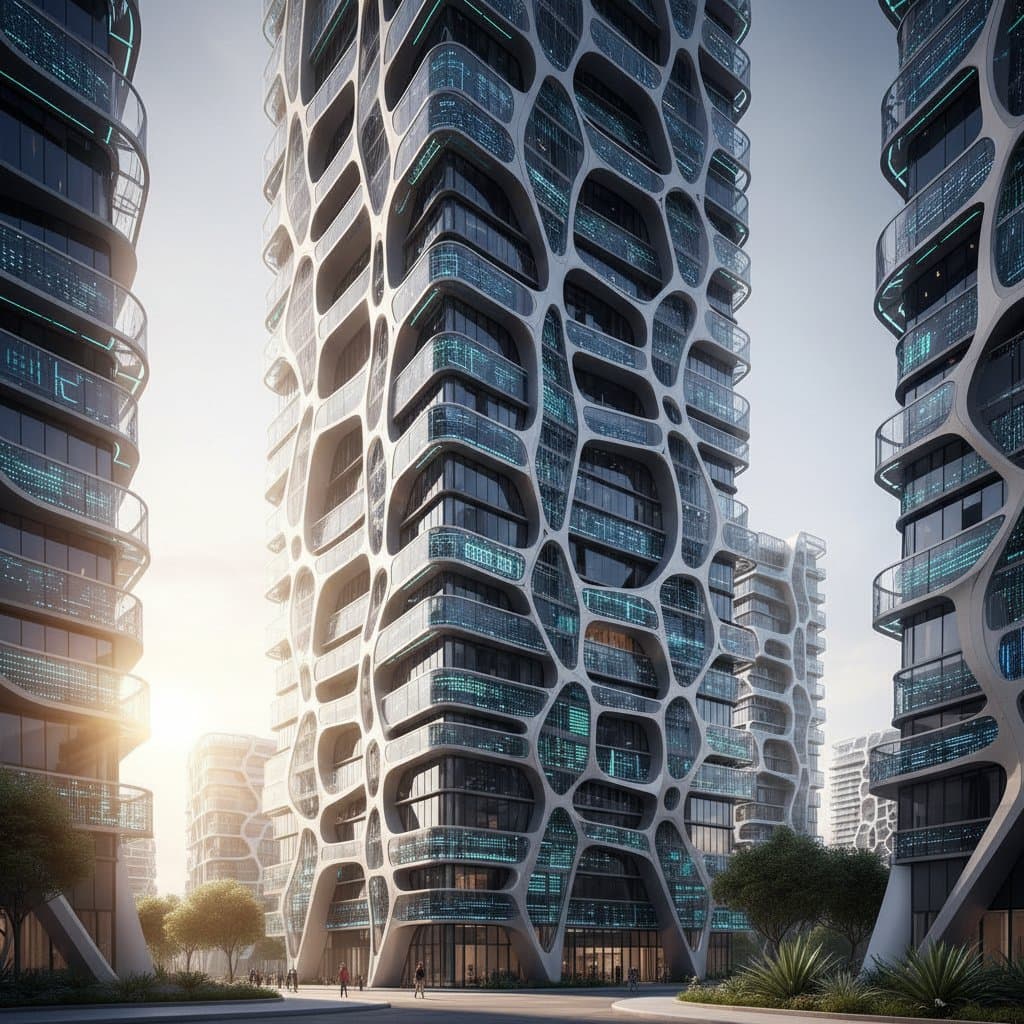
Algorithmic Design Reshaping Facades by 2026
Modern buildings often feature facades that interact seamlessly with their surroundings, shifting with sunlight or adapting to weather conditions. This effect stems from algorithmic design, a computational approach that redefines architectural surfaces. Architects employ these methods to create facades that respond dynamically, improving both performance and appearance.
The integration of algorithms allows for facades that evolve beyond traditional limitations. Data from environmental sensors informs the design process, ensuring structures align with real-world demands. As a result, buildings become more sustainable and engaging for occupants and observers alike.
The Shift from Traditional to Algorithmic Facade Design
Conventional facade design depends on manual sketches and standardized components, which limit complexity and adaptability. In contrast, algorithmic design leverages software to produce intricate geometries based on predefined parameters. Designers input variables such as climate data or occupancy patterns, and the system generates optimized configurations.
This methodology empowers architects to address multiple objectives simultaneously. For instance, a facade might minimize solar gain in hot climates while maximizing natural light in cooler regions. Homeowners and developers benefit from structures that reduce energy consumption without sacrificing style.
Public projects, such as museums or office towers, demonstrate the versatility of this approach. Even residential applications, like custom shading systems for homes, incorporate algorithmic elements to enhance comfort and curb appeal.
Mechanisms Behind Algorithmic Facade Creation
At its core, algorithmic design operates through parametric modeling, where scripts define relationships between design elements. Architects establish rules for form, function, and materiality, then allow the software to iterate variations. This process enables rapid prototyping and refinement.
Key inputs include environmental factors that directly influence performance. Consider these essential parameters:
-
Solar orientation: Algorithms calculate panel angles to block excessive heat while permitting daylight, potentially cutting cooling costs by up to 30 percent.
-
Airflow dynamics: Simulations predict wind patterns, optimizing vent placements for passive ventilation and improved indoor air quality.
-
Material characteristics: Data on tensile strength and thermal conductivity guides selections, ensuring durability alongside lightweight construction.
-
Visual and structural harmony: Parameters enforce uniformity across scales, from individual modules to entire elevations.
Virtual testing precedes physical production, allowing designers to evaluate stress points or thermal bridges. Tools like Rhino with Grasshopper plugins facilitate this workflow, bridging conceptual ideas to buildable realities. Collaboration with engineers ensures compliance with safety standards from the outset.
Advantages and Challenges of Algorithmic Facades
Algorithmic design offers significant benefits that elevate architectural outcomes. Precision in modeling reduces errors, leading to facades that perform reliably over time. Energy efficiency improves through targeted optimizations, such as integrated shading that responds to seasonal changes.
Customization extends to aesthetic innovation, enabling fluid forms that evoke movement or mimic natural patterns. Buildings equipped with these facades stand out in urban landscapes, attracting attention and adding value to properties.
However, implementation presents hurdles. Specialized training in computational design is essential, often requiring interdisciplinary teams. Initial expenses for software and expertise can exceed traditional methods by 20 to 50 percent.
Fabrication complexity demands advanced manufacturing techniques, like CNC milling or 3D printing, which necessitate skilled fabricators. Integration with existing building systems may also require additional planning to avoid conflicts.
To mitigate these issues, architects recommend phased adoption. Begin with non-structural elements, such as decorative screens, to build familiarity before tackling load-bearing facades.
Budgeting and Timeline for Algorithmic Projects
Costs for algorithmic facades vary based on scale and intricacy. A modest residential feature, like an algorithmic trellis, might range from $5,000 to $15,000, covering design and installation. Commercial applications, including full curtain walls for mid-rise buildings, can escalate to $500,000 or more.
Fabrication accounts for the largest portion of expenses, as unique components resist mass production. Material choices, such as aluminum composites or ETFE panels, further influence pricing. Designers can offset costs by prioritizing modular systems that reuse digital templates across projects.
Timelines reflect the iterative nature of the process. Conceptual modeling takes one to two weeks for simple designs, while comprehensive simulations for large structures may span three to six months. Permitting adds another layer, particularly for facades impacting views or emergency access.
Local regulations often scrutinize novel designs for wind resistance or fire safety. Early consultation with authorities streamlines approvals, preventing delays. Long-term, these investments yield savings through lower maintenance and energy bills.
Embracing Algorithmic Design for Future Builds
For upcoming renovations or constructions, algorithmic design provides tools to balance innovation with practicality. Start by assessing site-specific needs, such as exposure to elements, to inform parameter selection. Partnering with computational specialists accelerates the transition from vision to execution.
This approach not only enhances building performance but also fosters creativity in material and form exploration. As technology advances, facades will increasingly incorporate sensors for real-time adjustments, further blurring lines between structure and intelligence.
Professionals anticipate widespread adoption by 2026, driven by sustainability mandates and digital fabrication growth. By integrating algorithms early, builders create enduring assets that adapt to changing climates and user preferences, ultimately transforming ordinary surfaces into extraordinary systems.