
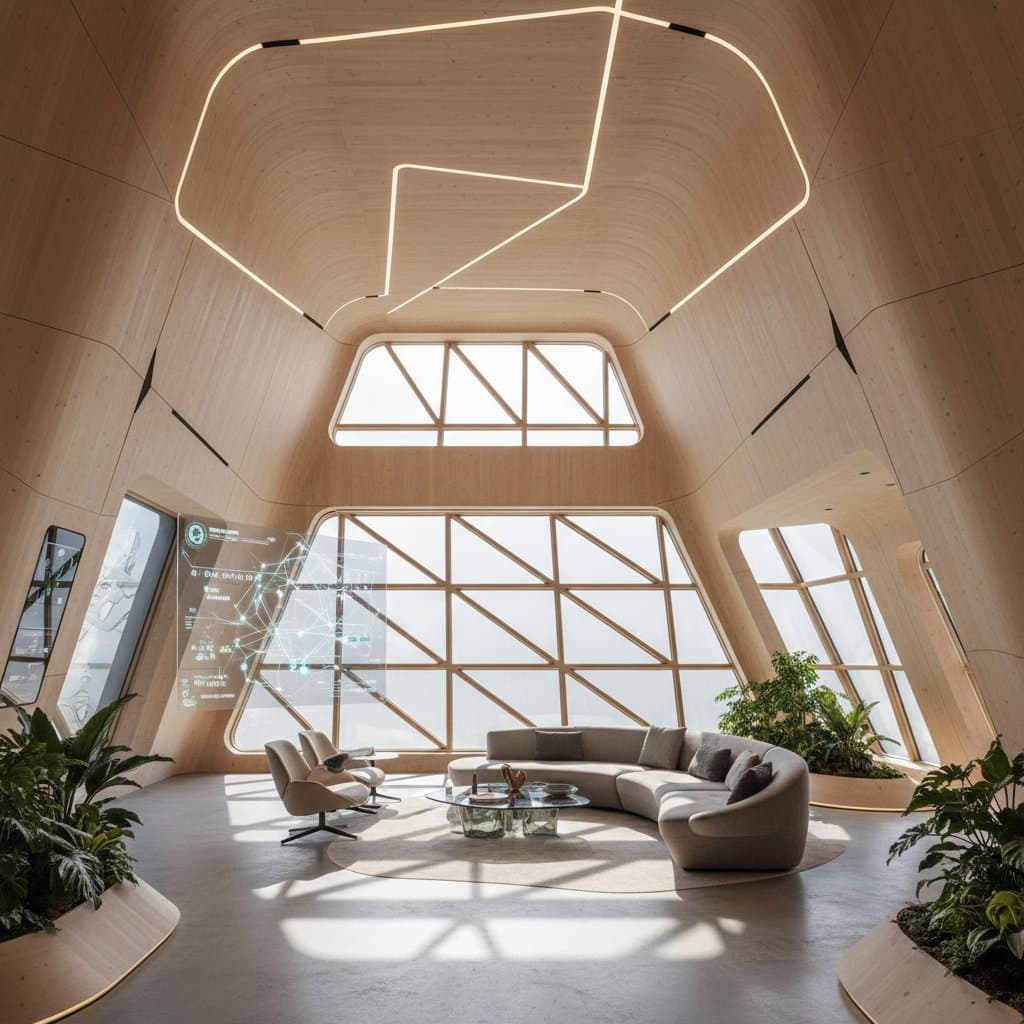
Algorithm-Driven Homes: Parametric Architecture by 2026
You walk into a home that recognizes you. Lighting shifts to match your mood. Temperature settles at your preferred level. Window placement follows the sun path across the property. This outcome results when architecture meets algorithms through parametric design.
Homeowners planning remodels or new builds benefit from understanding how these tools affect design, cost, and daily routines.
How Parametric Architecture Works
Parametric architecture relies on computer algorithms to generate and adjust building designs. Architects enter data on climate, site orientation, and structural limits. The software produces models that update automatically as inputs change.
Parameters include sunlight exposure, airflow needs, material strength, and occupant numbers. Adjust one value and the full model recalculates. The architect defines the rules while the computer manages precise calculations.
Performance Advantages Over Traditional Methods
Traditional design draws on experience and intuition. Parametric methods add measurable performance data to that judgment. The resulting home performs efficiently while remaining visually appealing.
Specific gains include:
- Window sizing and placement calculated from sun path data to increase natural light.
- Insulation and ventilation strategies modeled to cut energy consumption.
- Airflow and acoustic simulations that improve room comfort.
- Exact material quantities computed to reduce waste during construction.
These steps support both cost control and sustainability targets.
Step-by-Step Design Workflow
- Collect site details, lifestyle patterns, and personal preferences such as slope, soil conditions, and daily schedules.
- Enter key parameters into design software, including target sunlight hours or required ventilation rates.
- Generate multiple model options that adjust automatically with any parameter change.
- Test each model for structural integrity, energy use, and comfort metrics.
- Review variations with the architect and select the version that fits goals and budget.
This sequence shortens overall design time and improves accuracy.
Budget and Cost Factors
Design fees for parametric work often rise 5 to 15 percent due to specialized software and training. Construction costs frequently drop 10 to 20 percent because waste decreases and efficiency improves. Long-term utility savings can reach several hundred dollars each year.
For a mid-size custom home, expect design fees between 25000 and 60000 dollars. Reduced change orders during building help recover the added design expense.
Code Compliance and Site Challenges
Local building codes integrate directly into the parametric model. Zoning limits, setbacks, and green standards become input variables from the start. In flood, earthquake, or high-wind zones, simulations verify structural behavior before permits are sought.
A licensed architect or engineer must still review and stamp final drawings.
Selecting a Qualified Designer
Ask potential architects these questions:
- Which computational design software do you use regularly?
- Can you share residential projects completed with parametric methods?
- What energy or environmental modeling examples are available?
- How do you coordinate with builders using digital models?
Clear answers and project references indicate readiness for this approach.
Professional Oversight Requirements
Basic visualization tools exist for homeowners, yet structural and mechanical systems demand professional expertise. Load-bearing elements, HVAC layouts, and code compliance require certified review.
Measurable Returns
Energy savings of 20 to 40 percent compared with standard construction appear in well-optimized homes. Additional returns include steadier indoor temperatures, higher resale interest from sustainability-focused buyers, and lower maintenance from better material fit.
Structural Safety Checks
Digital load and stress analysis occurs before ground is broken. Input data on soil, wind, and materials still requires verification by a qualified engineer.
Integration With Future Systems
Parametric models now extend to roof shapes and rainwater systems in residential work. Future homes will link these designs with smart controls that predict usage and adjust shared systems automatically.
Beginning the Process
Contact architects experienced in computational design for an initial consultation. Prepare details on lifestyle needs, comfort targets, and sustainability priorities. Combine short-term fees with projected long-term savings when setting the overall budget.