
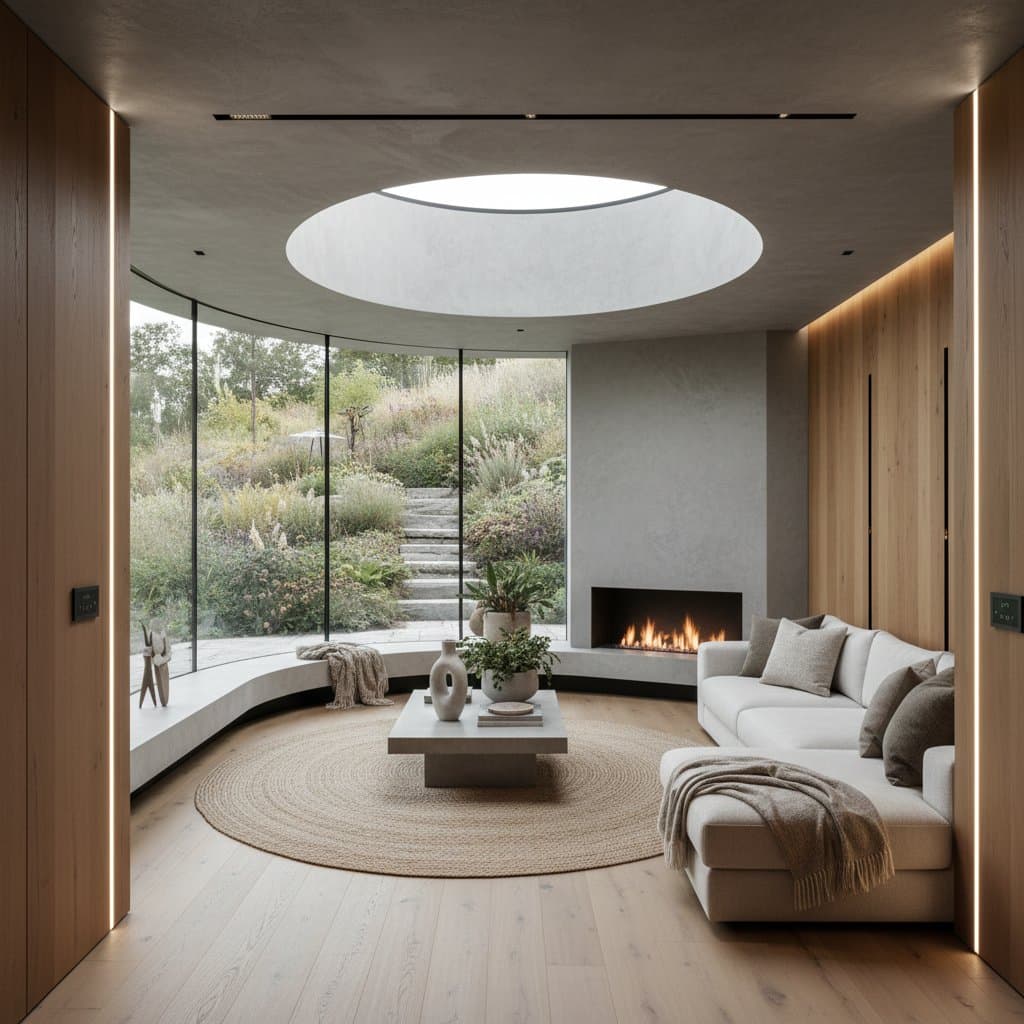
Why Earth-Sheltered Homes Define Modern Luxury
Imagine entering a home where calm prevails, silence envelops the space, and temperatures remain consistently comfortable. No disruptive sounds from overhead neighbors interrupt daily life, no chilling drafts infiltrate during winter, and utility bills for heating or cooling stay remarkably low. Residents of earth-sheltered homes experience this reality daily. Increasing numbers recognize that genuine luxury resides in such comfort, efficiency, and profound privacy, qualities the earth provides inherently.
The New Meaning of Luxury Living
Conventional luxury residences emphasize expansive square footage, premium materials, and prime locations. These elements retain importance, yet contemporary homeowners prioritize privacy, sustainability, and enduring comfort equally. Earth-sheltered homes align seamlessly with these priorities. The soil and terrain offer inherent insulation, maintaining stable indoor environments throughout the seasons. Residents enjoy serene settings, significant energy reductions, and structures that integrate harmoniously with the surrounding landscape rather than dominating it.
What Makes an Earth-Sheltered Home Different
An earth-sheltered home integrates partially or fully into the ground. Underground variants position living areas below ground level, relying on skylights or interior courtyards for illumination. Bermed designs accumulate soil against exterior walls for insulation, while exposing one facade to sunlight and open air.
Both configurations exhibit distinctive characteristics:
- Thermal Stability: Enveloping soil maintains consistent interior temperatures, substantially decreasing demands on heating and cooling systems.
- Low Noise: Earth serves as an effective acoustic barrier, rendering the interior far quieter than surface-level dwellings.
- Protection: These structures withstand high winds, extreme temperature fluctuations, wildfires, and severe storms with natural resilience.
- Environmental Harmony: Integration with the terrain preserves more of the original landscape, minimizing ecological disruption.
How to Build or Retrofit an Earth-Sheltered Home
Constructing an earth-sheltered home demands meticulous planning and a departure from standard building practices. The following steps provide a structured overview of the process.
-
Site Selection
Identify terrain with excellent drainage and firm soil composition. Sloped hillsides suit bermed configurations, whereas level sites accommodate complete underground installations. Steer clear of flood-prone regions or locations with elevated groundwater levels. -
Design and Layout
Collaborate with an architect experienced in earth-sheltered designs. Plans must incorporate ample light sources, effective ventilation pathways, and secure emergency egress routes. Incorporate atria or light shafts to maximize natural daylight penetration. -
Waterproofing and Drainage
Prioritize robust moisture control measures. Implement multi-layered systems, including sprayed-on membranes and drainage boards, to repel water ingress. Establish proper site grading and install perimeter drain tiles to channel runoff away from the foundation. -
Insulation and Ventilation
Supplement the earth's natural insulating properties with rigid foam boards or similar enhancements for optimal performance. Install mechanical ventilation units to facilitate air exchange, particularly in enclosed underground areas. -
Finishes and Furnishings
Select interior aesthetics ranging from contemporary minimalism to classic styles. Opt for materials like stone or wood that echo the natural environment for cohesive appeal.
New constructions typically extend several months beyond conventional timelines due to extensive earthwork and waterproofing requirements. Expenses fluctuate based on project scale, site conditions, and material choices, often falling into mid-to-upper budget ranges. Long-term energy efficiencies frequently recoup initial investments.
Pros and Cons to Consider
Every architectural style presents trade-offs. Earth-sheltered homes deliver substantial advantages alongside specific hurdles.
Pros:
- Exceptional energy efficiency, potentially halving or more utility expenses
- Enhanced quietude and seclusion, mitigating external noises from weather or proximity
- Durable construction with consistent internal climates
- Seamless environmental integration that advances sustainable practices
Cons:
- Elevated initial outlays for digging and sealing
- Necessity for specialized architectural and construction expertise
- Daylight constraints without strategic skylights or atria
- Risk of dampness problems from inadequate drainage oversight
For individuals seeking security, tranquility, and ecological alignment, the benefits generally surpass the drawbacks.
The Feel of Living Underground
Daily existence in an earth-sheltered home offers a uniquely restorative quality. Interiors maintain ideal conditions without frequent thermostat interventions, fostering relaxation amid pervasive quiet. Proper ventilation delivers crisp, fresh air, while thoughtfully placed lighting creates a gentle, diffused glow. Owners often report a profound sense of integration with the natural world, free from the intrusions of surface-level disturbances.
Cost and Maintenance Insights
Project costs hinge on design intricacy, regional factors, and site preparation needs. Earth-moving operations contribute significantly to upfront figures, yet subsequent upkeep diminishes over time. Soil coverage shields walls from weathering, eliminating routine exterior painting or siding overhauls. Roofing, typically vegetated and soil-laden, endures longer than standard coverings with minimal intervention.
Energy expenditures drop markedly, with some residents achieving reductions of up to two-thirds relative to comparable above-ground properties. Maintenance routines center on waterproofing integrity and airflow systems. Annual inspections of drains and vents suffice to ensure longevity, often spanning decades without major repairs.
Sustainability and Environmental Value
Earth-sheltered architecture embodies progressive green principles. Reduced surface exposure minimizes heat loss, enhancing overall efficiency. Complementary features like solar arrays or ground-source heat pumps amplify these gains, lessening reliance on non-renewable resources. By embedding within the earth, these homes preserve scenic vistas and wildlife corridors more effectively than protruding structures.
Material demands for exteriors decrease, curbing production-related waste and emissions. Throughout the building's lifecycle, this methodology yields a diminished carbon profile and bolsters planetary health. Such synergy between personal well-being and environmental stewardship elevates the concept of luxury.
Integrating Earth-Sheltered Design into Your Lifestyle
Earth-sheltered homes challenge conventional notions of opulence by emphasizing subtlety and resilience. They deliver a sanctuary of privacy and efficiency, where the landscape actively contributes to daily comfort. This approach minimizes ongoing demands, allowing focus on living rather than upkeep.
Prospective builders or renovators should explore existing installations and consult specialists in subterranean or bermed architecture. Inquire about performance metrics, potential obstacles, and practical experiences to inform decisions. Embracing this design fosters a harmonious, forward-thinking residence tailored to enduring values.